By Kyla Blocker, Director of Operations
When I was 9, I participated in my first play. I (somewhat stereotypically) played a tree and sang about saving the environment. This experience was enough to hook me. I had caught the theater bug, and I’ve never looked back.
Throughout my life, I’ve always been involved in theater in one way or another. As a kid, I participated in youth theater and my middle and high school theater programs. I spent my summers at summer theater camp (both as a student and later as a staff member). I attended college for Acting and eventually grad school for Theater Education at NYU. In my professional career I worked as a public school theater teacher for 9 years before transitioning to the Arts Administration side at Kidstock!
I’ve always believed in the power of theater education, partly because I lived it as a child. When I was young, I was incredibly shy. Participating in theater was transformative for me. It is where I found my voice, found my people, and found myself. I would not be the person I am today if it were not for my experiences in theater as a young person. It’s a no-brainer that I’ve built my career around theater education; I want to share this art form that shaped me with other young people!
Theater Education for K-12 is essential and hard to find
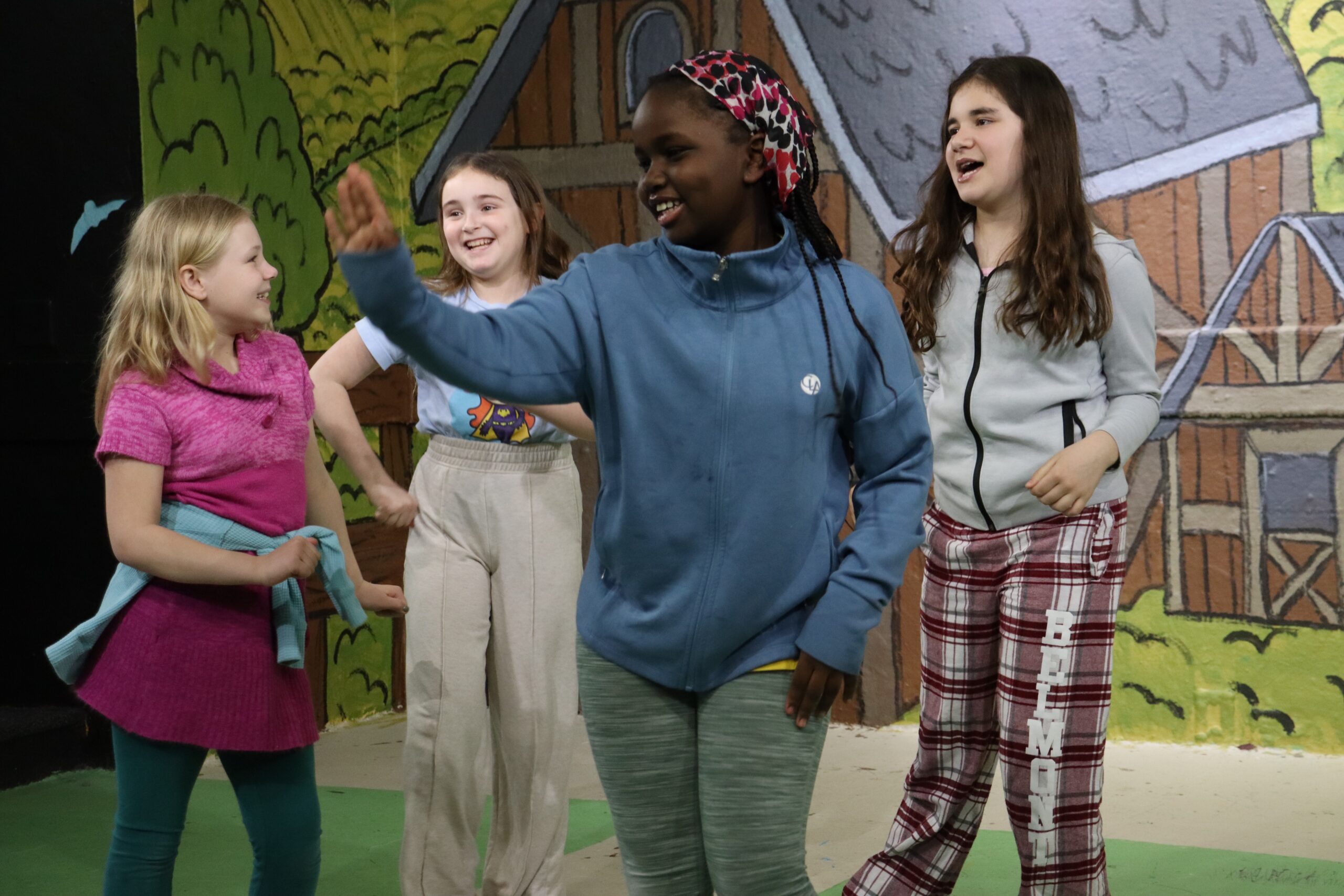
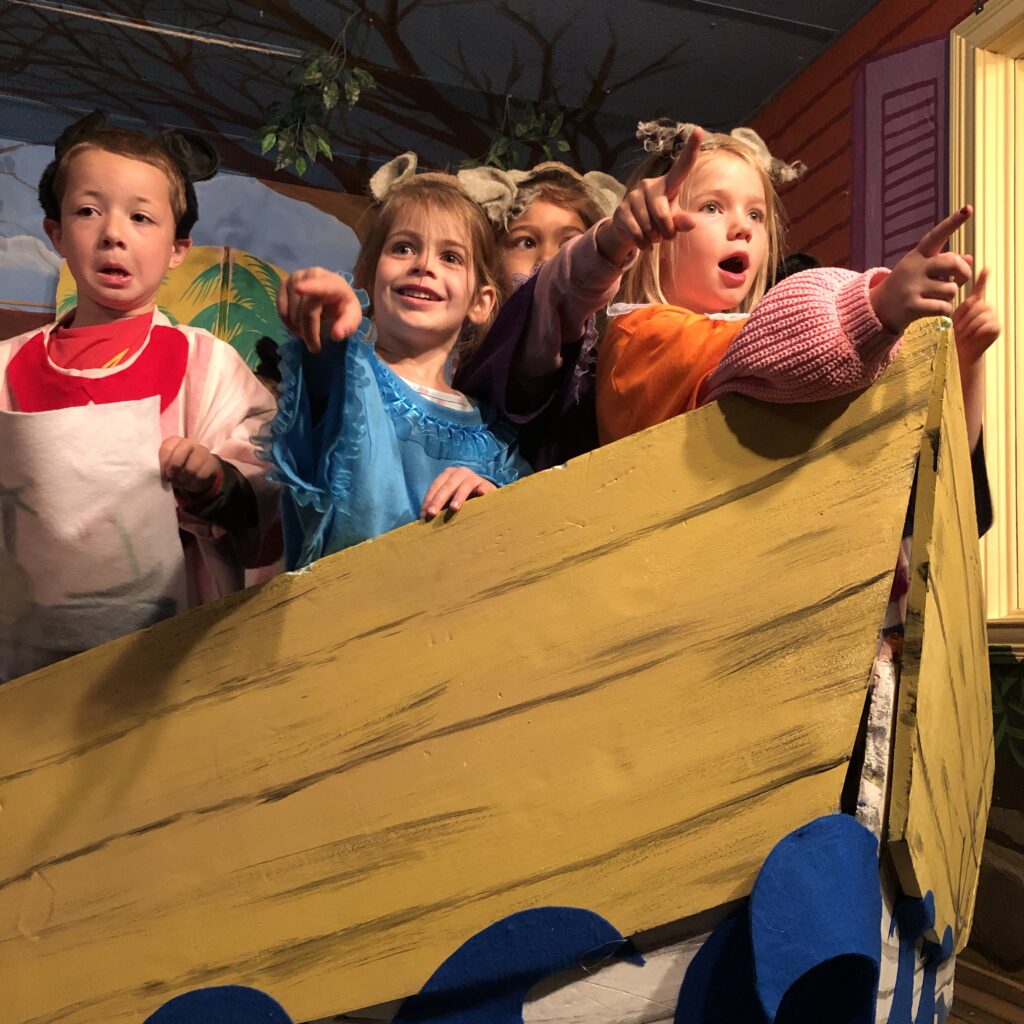
My favorite part of being a teacher was seeing theater transform my students’ lives the way it transformed mine. Through theater, students learn communication, collaboration, confidence, and camaraderie. They figure out how to solve problems and be independent, critical thinkers. They develop empathy by stepping into the shoes of others. They cultivate their sense of play, wonder, and storytelling.
Unfortunately, not every child has the same access to theater education that I did or that I offered. Very few elementary schools offer theater during the school day (roughly less than 10%), and even at the high school level a theater program is no longer a given. Programs like Kidstock! are essential in filling this gap. The fact that students can come to Kidstock! after school, on the weekends, on school vacations, and over the summer to experience theater is, in my opinion, invaluable.
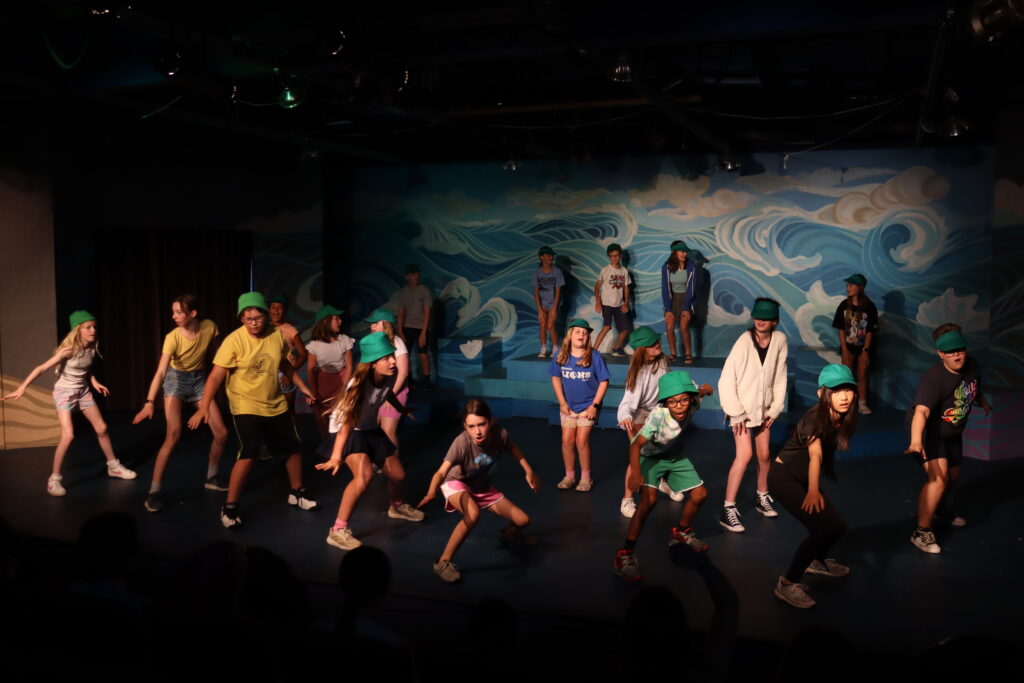
Theater Education can focus on process over production
Beyond increasing access for all kids, I’ve seen the success of theater education at places like Kidstock! that prioritize growth and process.
The most traditional approach to theater in schools is where students are given a predetermined script and work towards putting on a traditional production. The focus is all on the end product. Traditional theater certainly has its place, but at Kidstock! students get an entirely different type of experience.
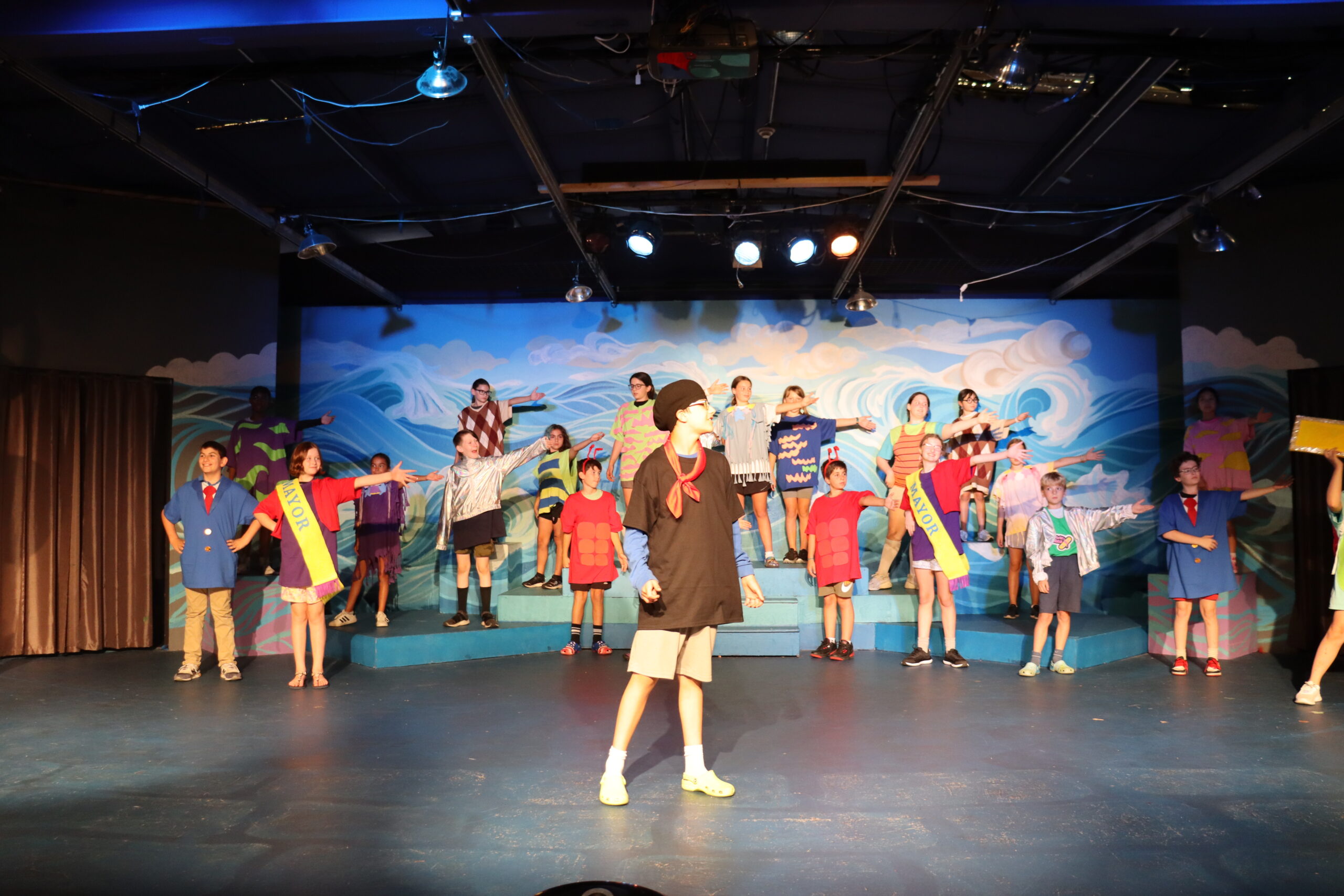
At Kidstock! the focus is on the process, which is where the real magic happens. Kids get to truly create together, explore stories, and lend their ideas. At Kidstock! every child is a star on presentation day, and they have ownership over the show. They’ve created the story, the characters, and the lines. They’ve engaged deeply with the material, and Kidstock! not only builds a love of theater, but also a love of reading, of storytelling, of play, and of collaboration.
Kidstock! is a place where students can connect with each other and with their teachers. In this digital age where technology dominates so much of our lives, this feels more important now than ever. There is something truly special about kids coming together to connect on a human level to play, create, explore, and perform.
I didn’t know about Kidstock! as a kid, but I’m sure if I did, I would have loved it. I may have even grown out of my shyness sooner than I did. My time on the Kidstock! team has only just begun, but I am very much looking forward to seeing these students grow, learn, flourish, and thrive.
About the Author

Kyla Blocks, Director of Operations at Kidstock! Creative Theater
Kyla Blocker is a performing arts administrator, theater educator, and director with over a decade of experience creating impactful arts programs for young people. She holds degrees from New York University and is currently completing a Master’s in Arts Administration at Boston University.